thesis project · maastricht

thesis project · maastricht

bonnefanten museum

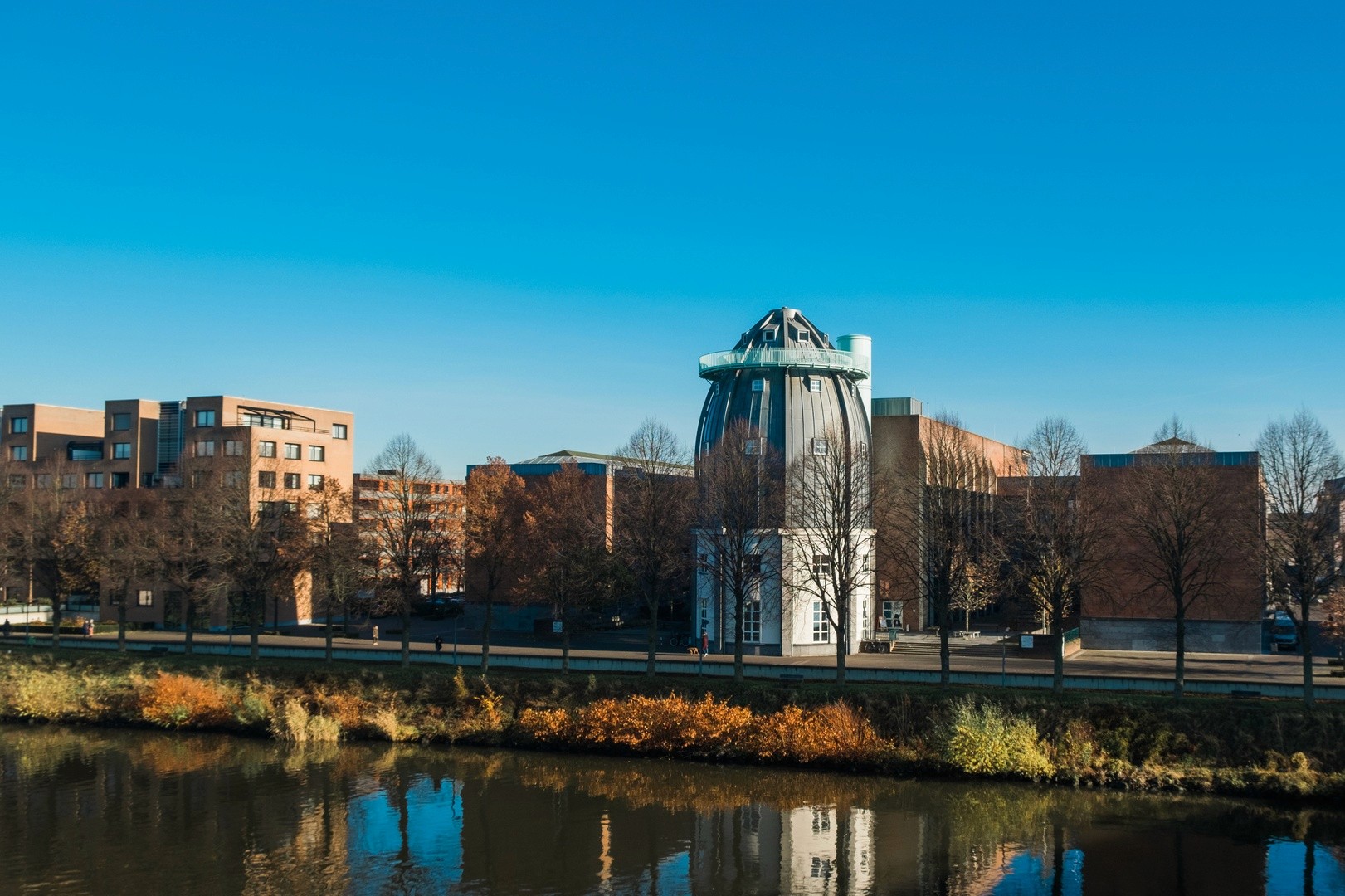
How do you make a 16th-century exhibition resonate with a modern audience? That was the challenge behind my graduation project for the Bonnefanten Museum.

How do you make a 16th-century exhibition resonate with a modern audience? That was the challenge behind my graduation project for the Bonnefanten Museum.

A ROOM
FOR REFLECTION

A ROOM
FOR REFLECTION

I designed an interactive experience that encouraged visitors to engage with The Seven Sins beyond simply viewing the artworks, turning observation into reflection.
01

01

THE SEVEN SINS

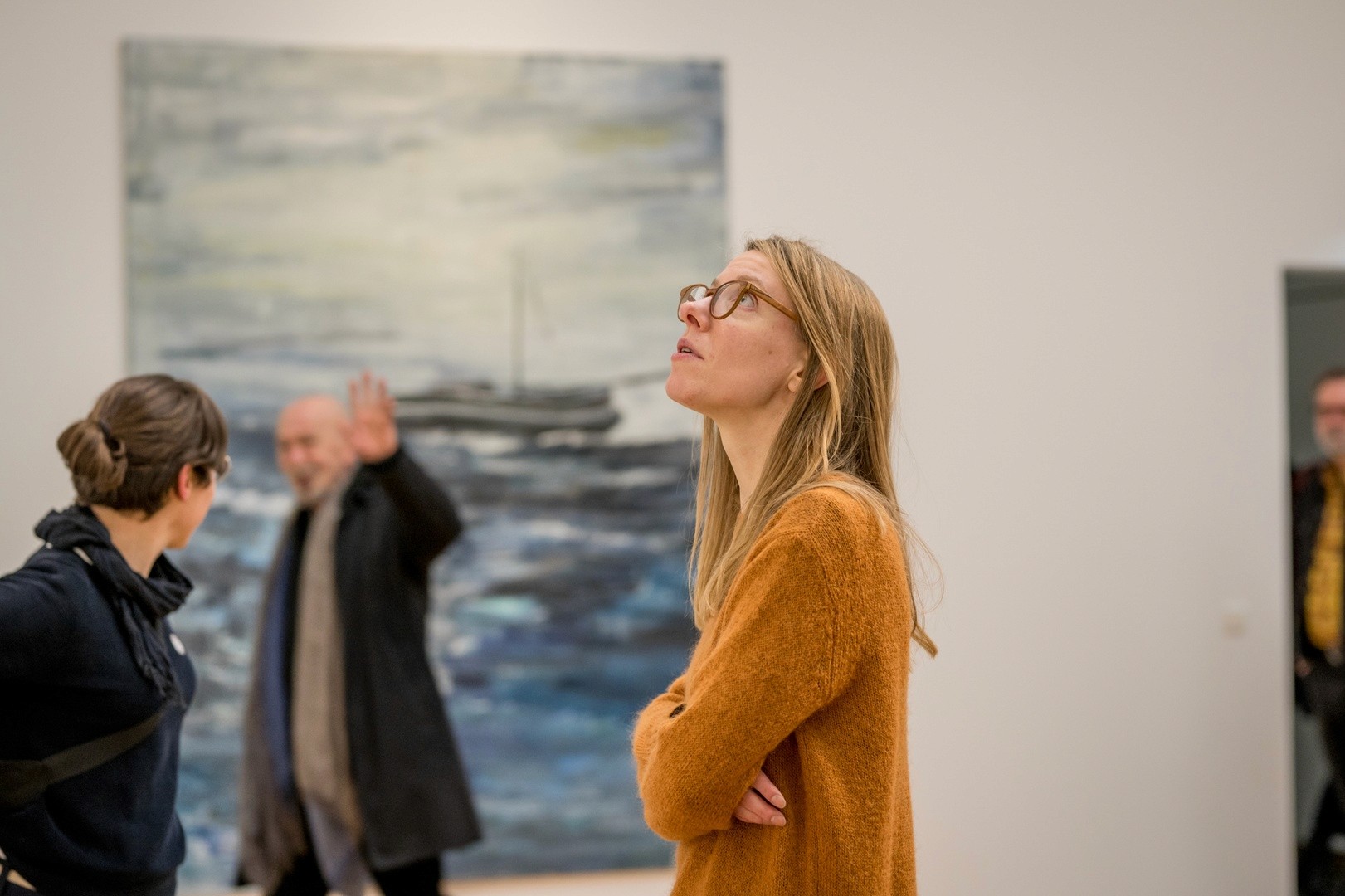
This exhibition is about the seven deadly sins by Pieter Bruegel. This 16th-century portrayal prompts reflection on timeless questions of morality. The exhibition aims to reconnect contemporary audiences with these themes, drawing parallels between 16th-century challenges and today's societal issues.
Pride

Pride

Envy

Envy

Greed

Greed

Lust

Lust

Wrath

Wrath

Gluttony

Gluttony

Sloth

Sloth

02

02

Art Doesn't End at the Canvas

The ultimate aim is to enrich both the exhibition and the visitor experience by prompting reflection on these sins and moral qualities.

03

03

Three fases of reflection

Three fases of reflection

During the research we defined these three stages of reflection. These stages are the framework of the buildup of interactions in our reflection room. We added a fase 0 to give each visitor the same basic information that's needed to be able to reflect. Incase they did not understand or missed information.

1

1

Awareness of uncomfortable

feelings and thoughts

Awareness of uncomfortable

feelings and thoughts

2

2

A critical analysis of feelings

and knowledge

A critical analysis of feelings

and knowledge

3

A new perspective

A new perspective

A new perspective

04

04

the buildup

the buildup

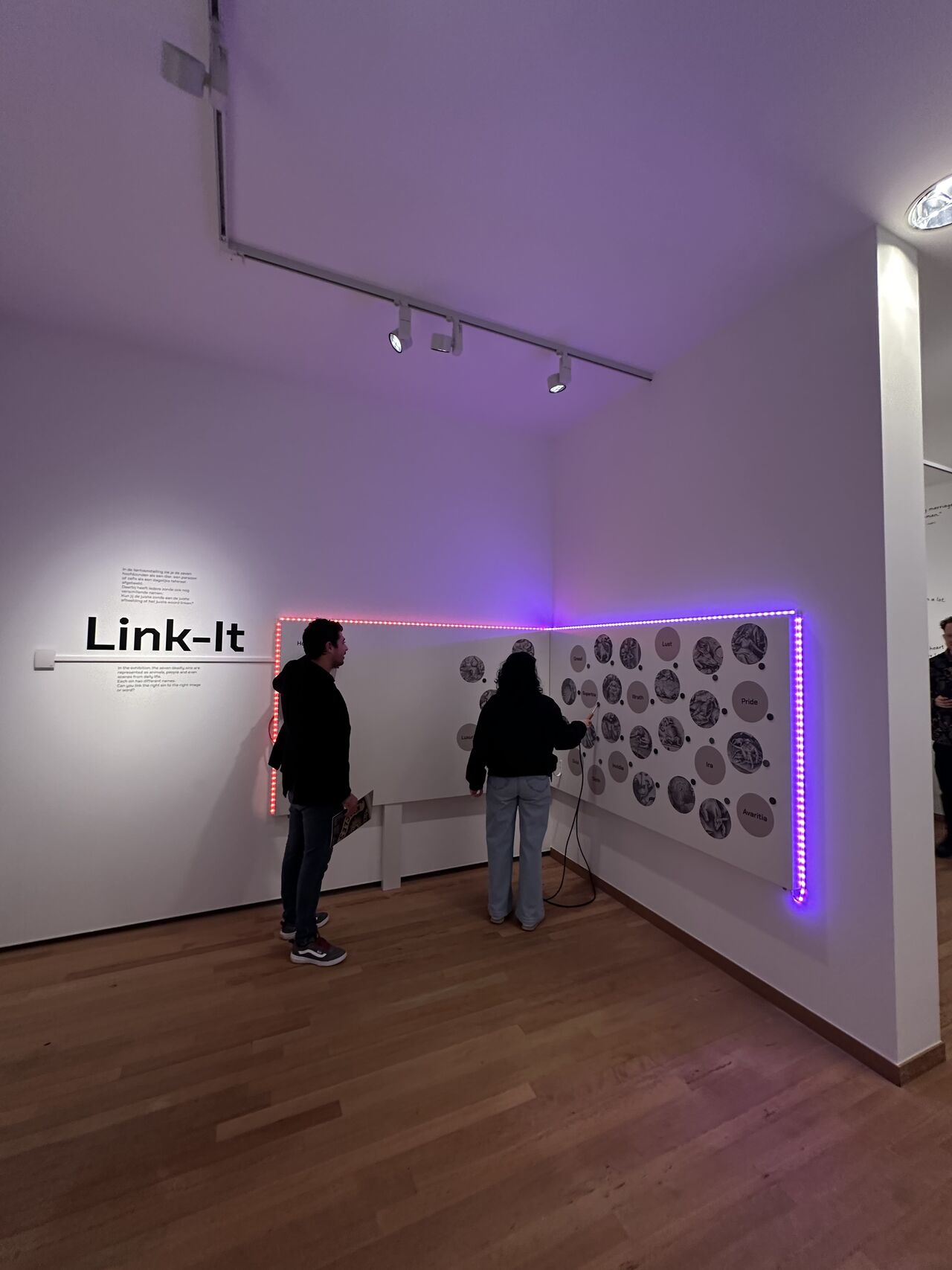
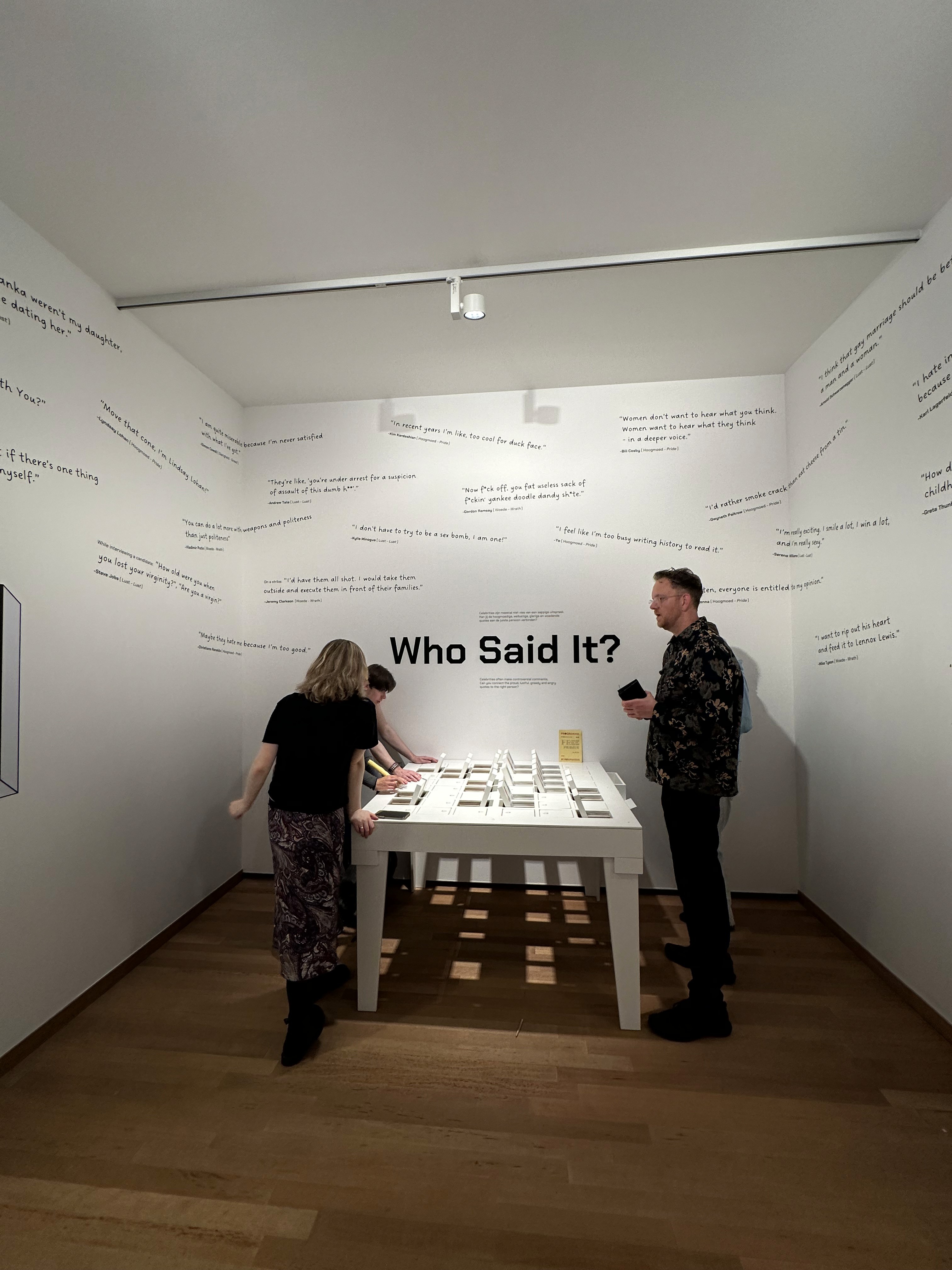
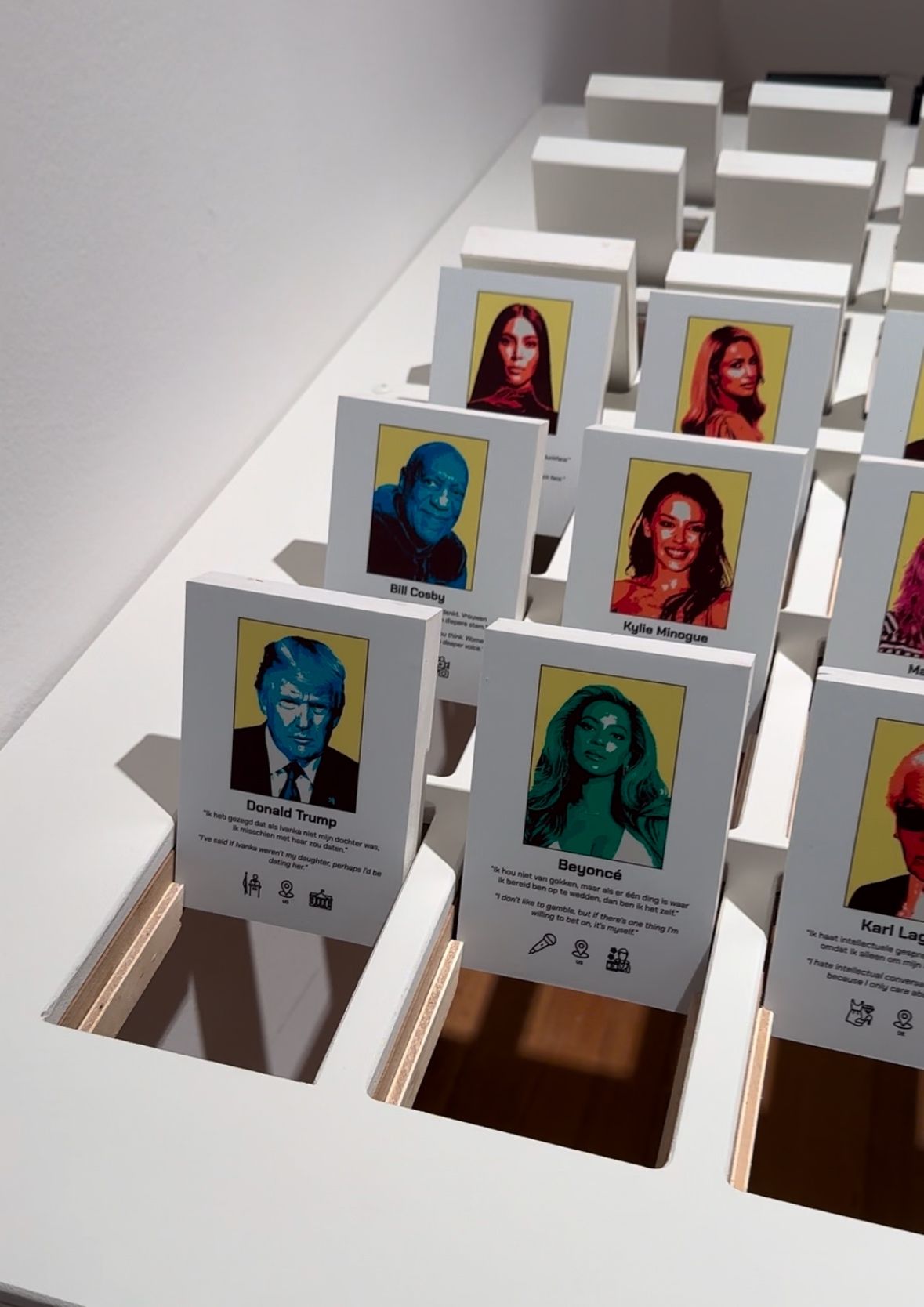
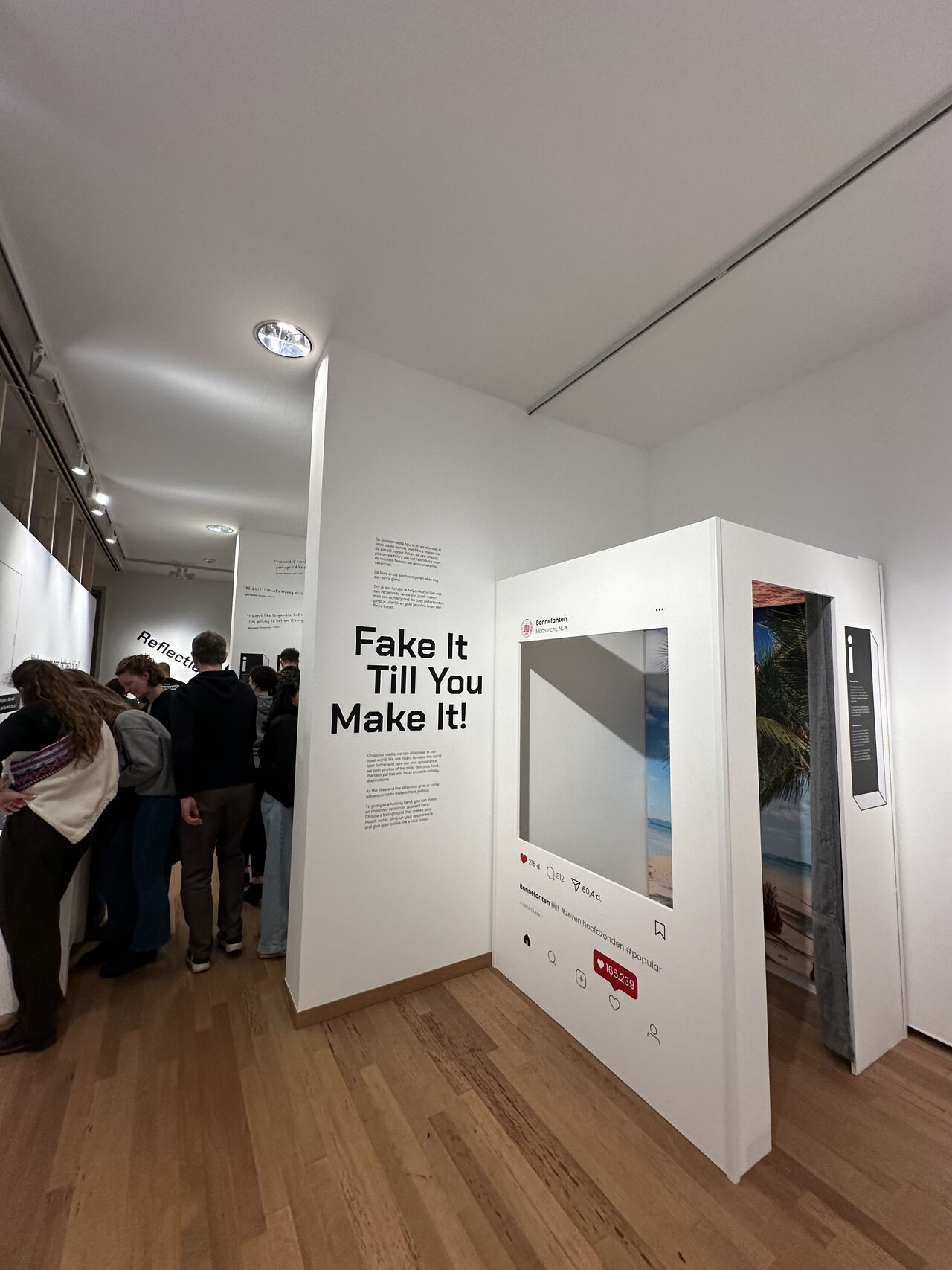
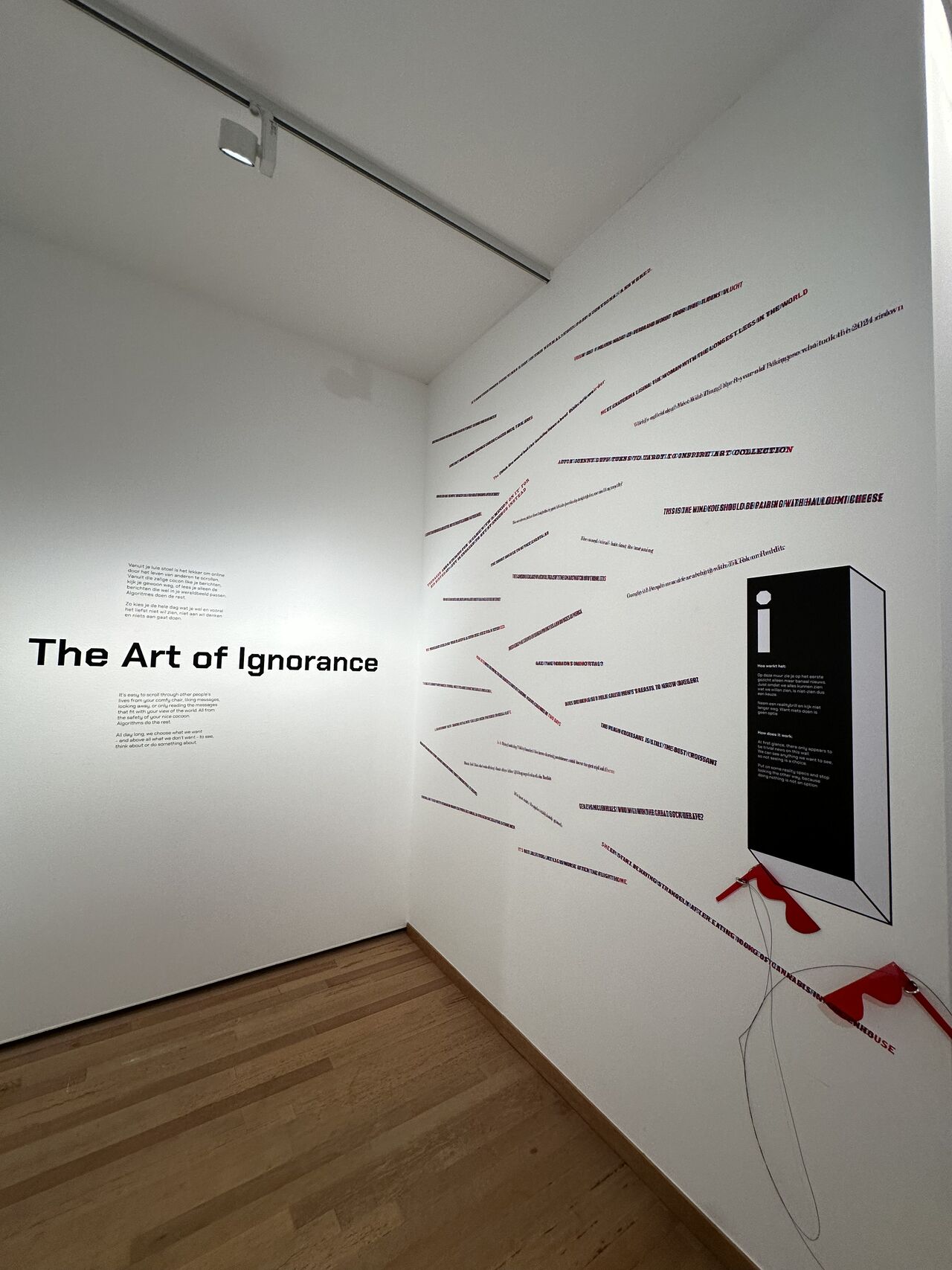
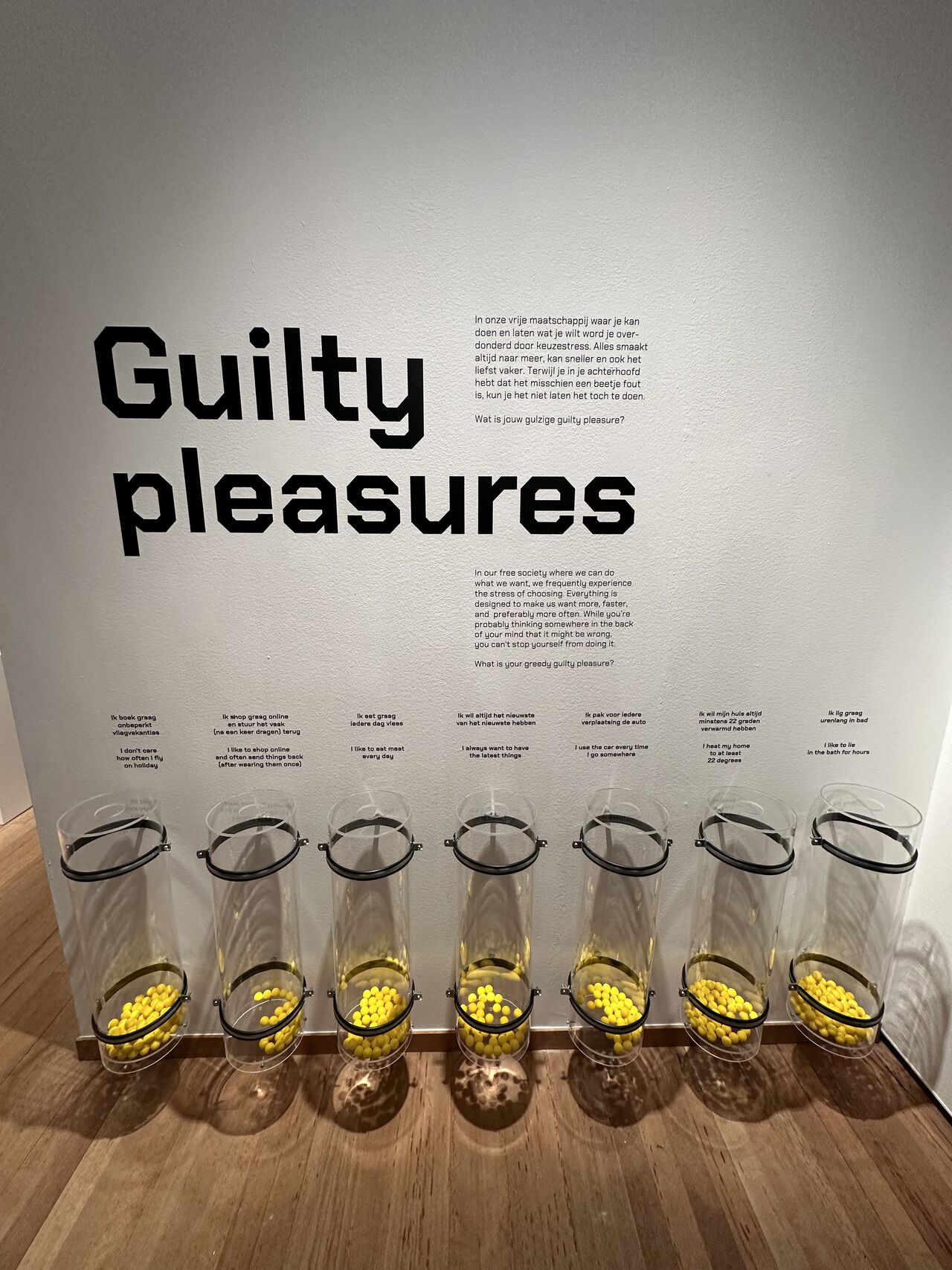
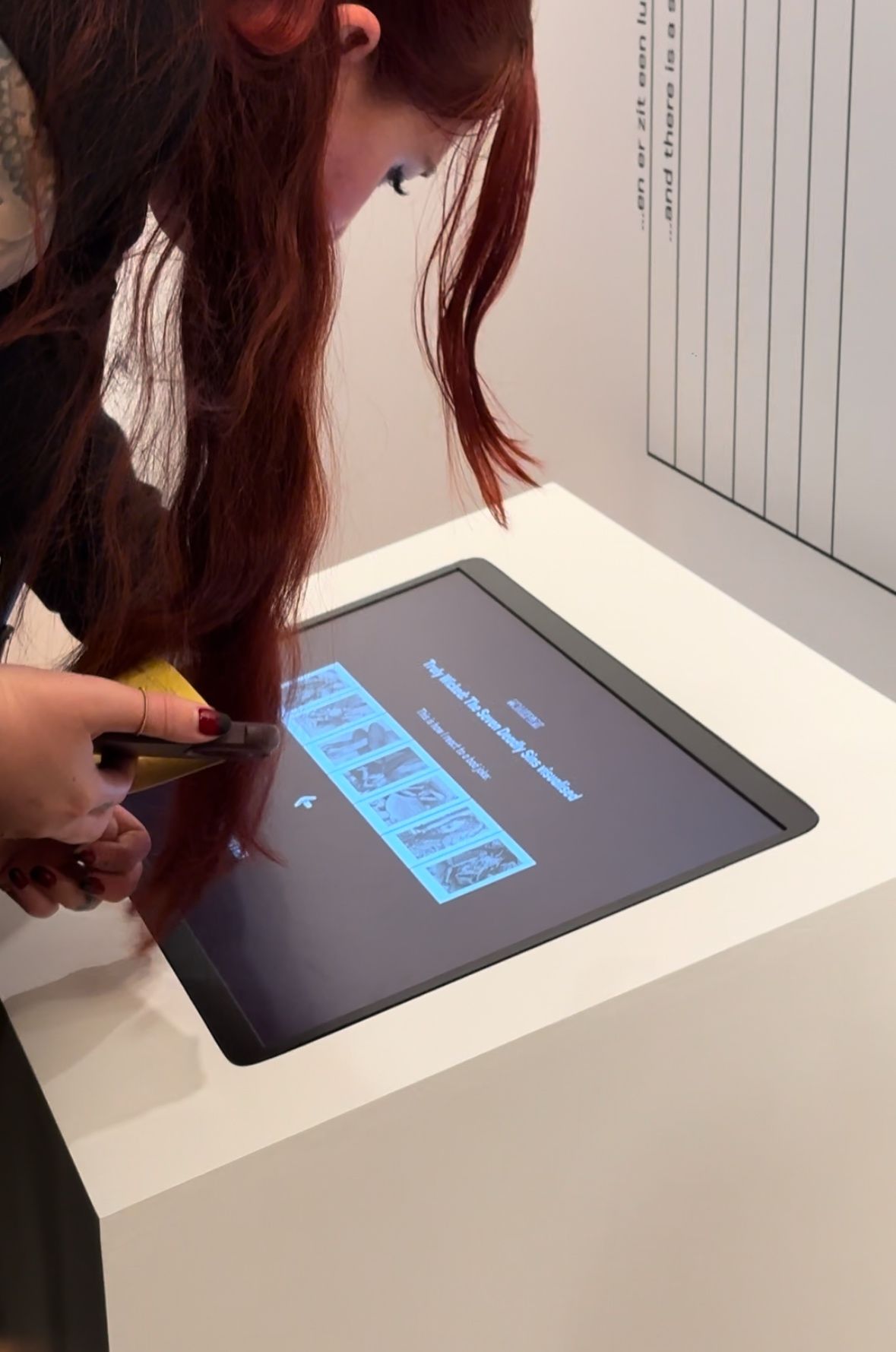
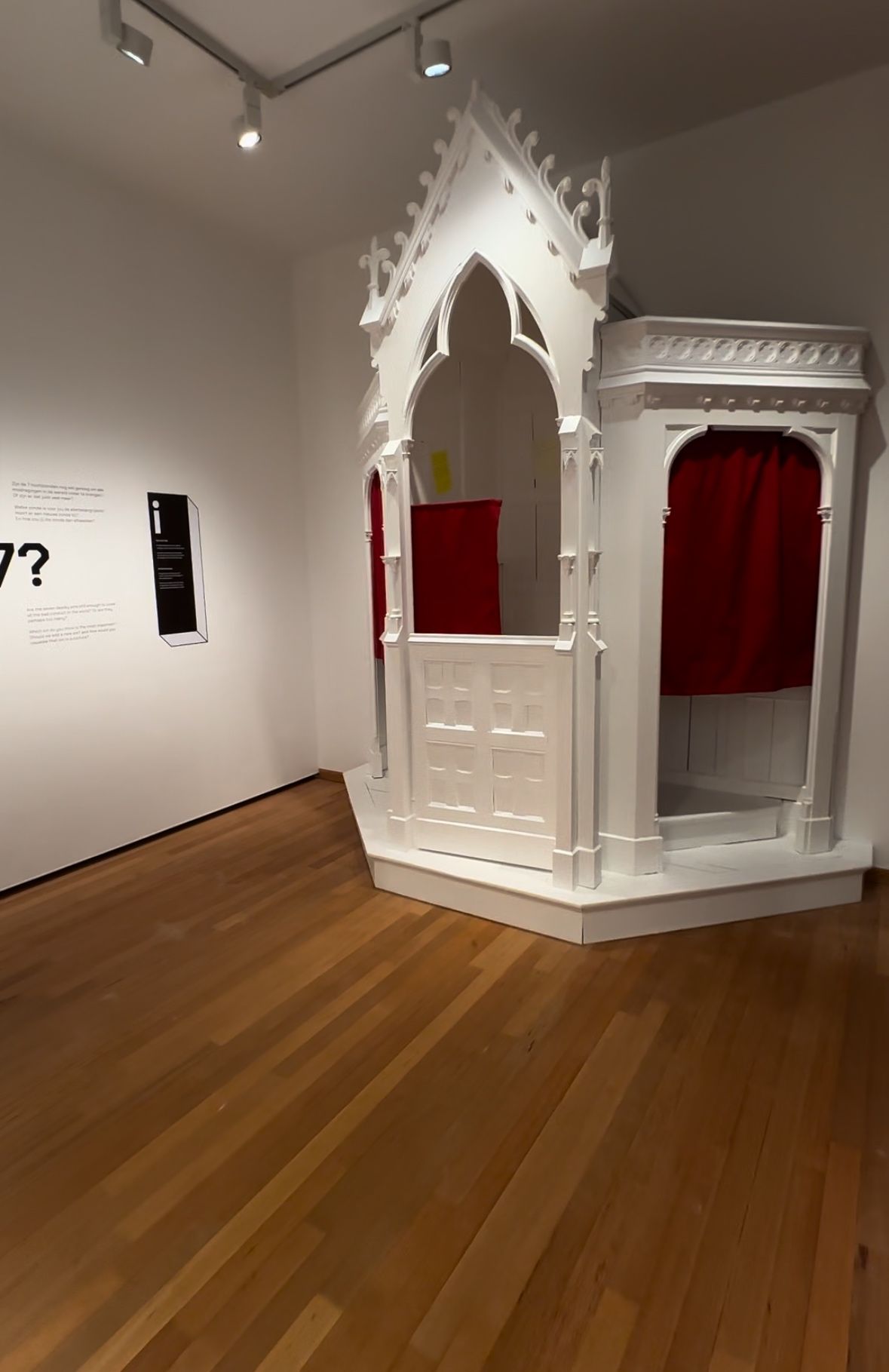
In the room, you start with playing Link-It, a game based on the artworks from the exhibition and sins to provide fase 0. Afterwards, you explore sin-based quotes in a "Who said it?" game with celebrities to start creating an awareness of discomfort that is not too personal yet, but realistic due to other people being involved (fase one). Fase two is spread through multiple interactions. You can create pride and envy through the perfect social media picture, choose your guilty pleasure or test which sin suits you best. We even added a sensory experience with smell. Finally you go to the "biechtstoel" and confess, ensuring a deeper reflection (fase three).

I’m thankful for the opportunity and incredibly proud of the team. The cherry on top was interviewing the talented Dutch artist Froukje Veenstra whose contribution truly made the exhibition unforgettable.

Create a free website with Framer, the website builder loved by startups, designers and agencies.